How the Spurs announced their arrival, even in defeat

Alta Sports3 days ago · 197 views
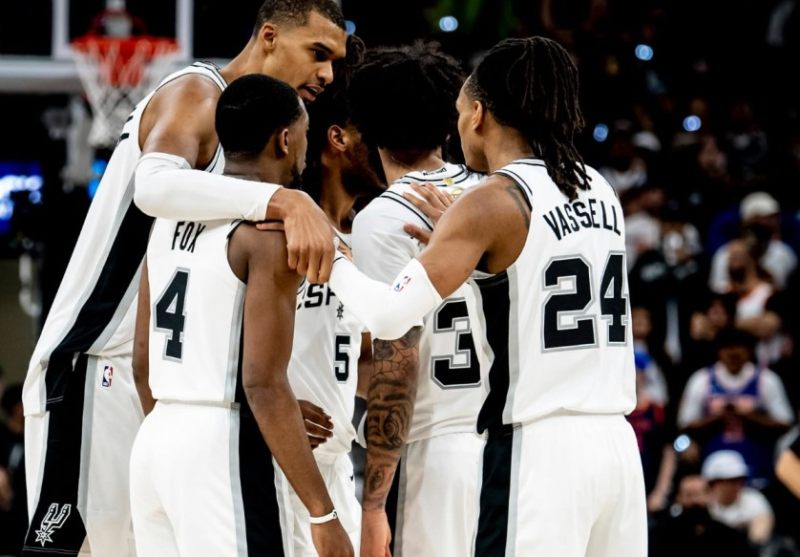
Photo: San Antonio Spurs/Facebook
By Rafael Bandayrel
The San Antonio Spurs entered the season with intrigue rather than expectation.
They were viewed as one of the league’s most exciting young teams—must-watch because of potential, not because they were supposed to contend for a title. A future problem, not a present one.
But even early on, there were signs that this group was ahead of schedule.
During the regular season, the Spurs stunned the league by beating the defending champions Oklahoma City Thunder four times. At the time, it looked like a fun statistical quirk. In hindsight, it was a warning.
San Antonio wasn’t just developing. It was already learning how to win against the NBA’s best.
That belief carried into the playoffs.
In the first round, the Spurs handled the Portland Trail Blazers with relative ease, never truly threatened in the series. In the second round, they faced a more dangerous challenge in the Minnesota Timberwolves led by Anthony Edwards. But again, San Antonio showed poise beyond its years, eliminating them and continuing a postseason run.
It was in the Western Conference Finals, however, where the Spurs truly announced themselves.
Facing the same Oklahoma City team they had troubled all year, San Antonio engaged in a brutal, physical, and exhausting series that tested every inch of their depth and composure. What followed was a war of attrition. In the end, the Spurs finally broke through.
Led by the emergence of Victor Wembanyama, San Antonio dethroned the reigning champions and officially stamped its arrival as a new force in the league. Wembanyama didn’t just play like a rising star. He played like the best player in basketball, carrying the Spurs into their first Finals appearance of this era.
The run ultimately ended just short of the championship. But even in defeat, the message was unmistakable. This wasn’t a feel-good overachievement story anymore; it was the foundation of bigger things to come in San Antonio.
All comments 7

Vic Raymund Morales Litang
 The next Champ
a day agoReply
 0
0
Tony Parker
A very young team to make it to the end is insane. GGs Team3 days agoReply
1
Wemby fans
To be honest, the Spurs' elimination of the Thunder is already a remarkable achievement.3 days agoReply
1
Villar Troy
3 days agoReply
1
the rising star
3 days agoReply
1
NBA Memes
3 days agoReply
1
Patrick Lao Chi Yu
3 days agoReply
1No more comments
11
7
4
Share