
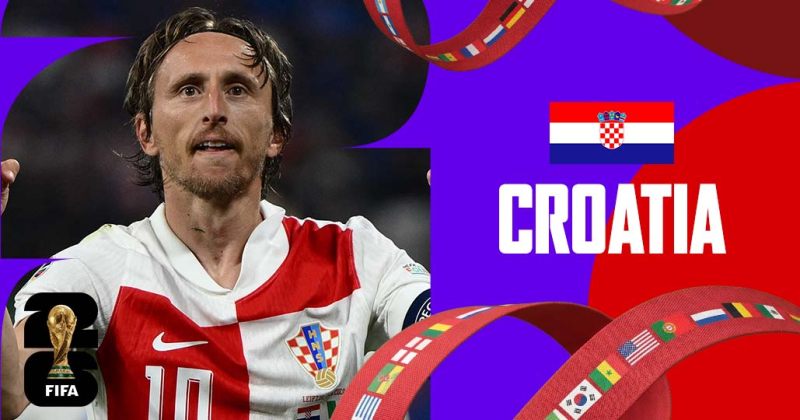
Croatia has been a model of consistency in recent major tournaments. Bolstered by the enduring presence of veterans Luka Modrić, Ivan Perišić, and Mateo Kovačić, they have built a cohesive system that earned widespread respect, finishing among the top three in two consecutive World Cups. Four years later, as a 41-year-old Luka Modrić once again pulls on Croatia's iconic No. 10 shirt for the World Cup in the United States, Canada, and Mexico, the football world looks on with admiration. This will be his fifth World Cup, equaling the record for outfield players previously shared by Cristiano Ronaldo and Lionel Messi.
Yet, the core that carried Croatia to those heights remains largely the same, raising concerns about a lack of generational transition. Currently ranked 11th in the world with a squad valued at nearly €350 million, head coach Zlatko Dalić has set a pragmatic, achievable goal: advancing past the group stage. For these aging veterans, making a deep run in their "last dance" will be a formidable challenge.
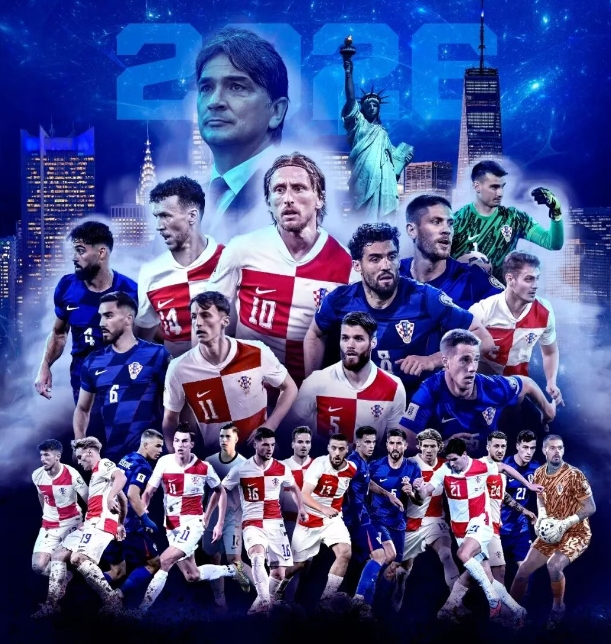
Croatia's path to the 2026 World Cup was straightforward. Drawn into UEFA Group L alongside the Czech Republic, Montenegro, Faroe Islands, and Gibraltar, they went unbeaten in eight matches (7 wins, 1 draw), scoring 26 goals and conceding just 4. They secured top spot with a match to spare, becoming the third European team (after England and France) to qualify.
Croatia's defense remains formidable. The Manchester City anchor Joško Gvardiol partners with Real Sociedad's Caleta-Car, forming one of the tournament's most reliable center-back duos. The team's system — organized low-block defense and rapid counter-attacks — relies on collective strength and resilience. Conceding only four goals in qualifying proves that Croatia's defensive steel makes them a tough opponent for anyone.
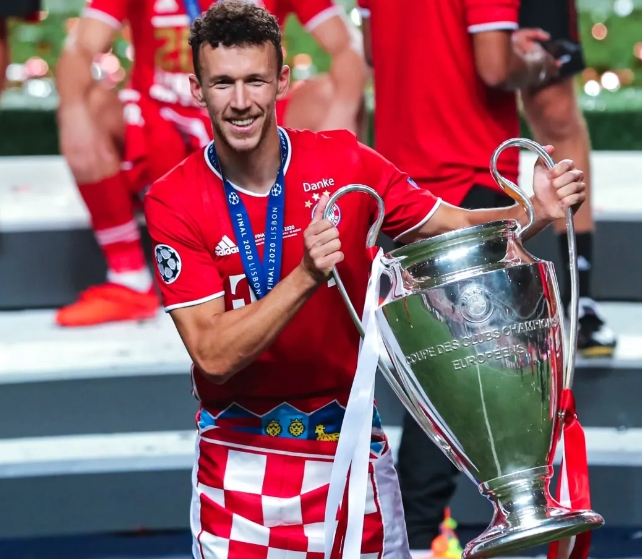
The biggest concern is the advanced age of the core midfield and attack. The spine is laden with veterans: Luka Modrić (40), Mateo Kovačić (32), and Mario Pašalić (31) form the midfield axis. Up front, the leading scorer is Andrej Kramarić (34), and the primary attacking wide threat is Ivan Perišić (37).
The World Cup's dense schedule and high intensity risk fatigue and injury for this aged squad. A drop in form or injury to any key player would be a devastating blow to Croatia's attack. Managing the squad's minutes and protecting the health of their core players for crucial matches will be Dalić's primary task.
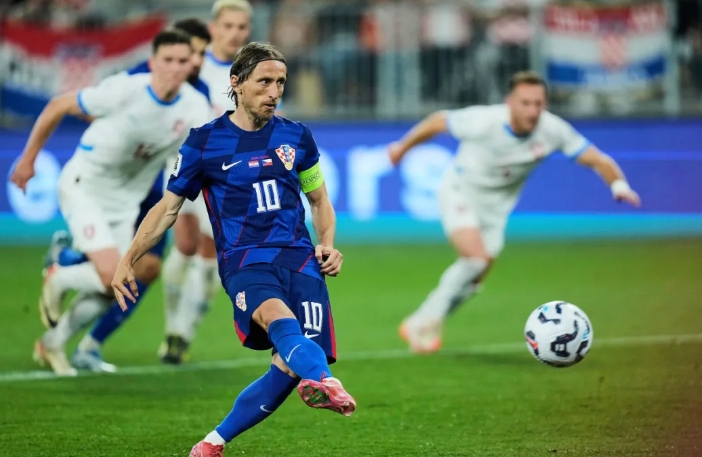
Croatia has been drawn into Group L of the 2026 World Cup alongside England (FIFA rank 4th), Ghana (74th), and Panama (33rd). Panama and Ghana are weaker opponents on paper, and Croatia is expected to advance from the group without major trouble. The key group match will be against England, with Croatia aiming for second place. Advancing past the Round of 16 is the baseline expectation. Reaching the quarterfinals would be a solid achievement. If they avoid the tournament's superpowers, a semifinal run is possible. But ultimately, this World Cup is less about results and more about honoring the legendary career of Luka Modrić.

 To be honest, the defense is quite strong, it's just that the forward line is too old.
 0
0 Luka Modric should be having his last dance. Come on!0
 I'm not optimistic about Croatia's performance in this World Cup; they're too old.0
 Happy to see them1
 For the champion0
 00
00 0
0 0
0 0
0