
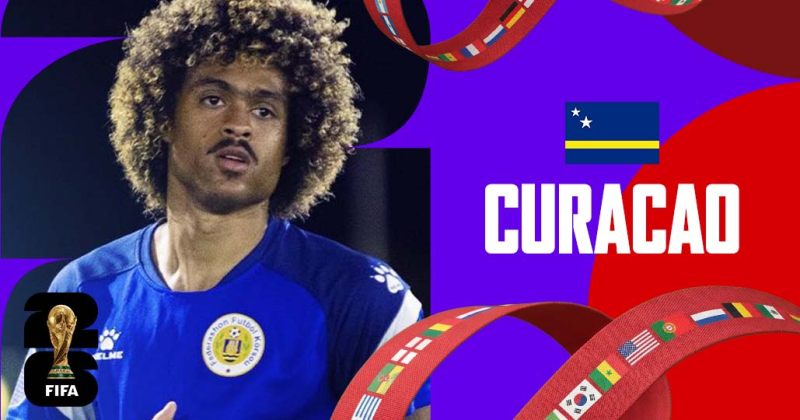
Thanks to a steady improvement in squad quality in recent years, Curaçao has successfully qualified for the 2026 World Cup in the United States, Canada, and Mexico — marking the first time this Caribbean island nation has ever reached the World Cup finals. Built largely on a foundation of European-born players of Curaçaoan descent, the team possesses strong physicality. Making its debut on the world's biggest stage, Curaçao aims to showcase the rising football pedigree of the CONCACAF region.
A Caribbean island nation with a population of just 150,000 and an area of only 444 square kilometers, Curaçao — led by veteran Dutch coach Dick Advocaat — qualified for the World Cup finals for the first time in its history. Their unbeaten run through qualifying is nothing short of a football fairy tale: the smallest nation ever to reach the World Cup.
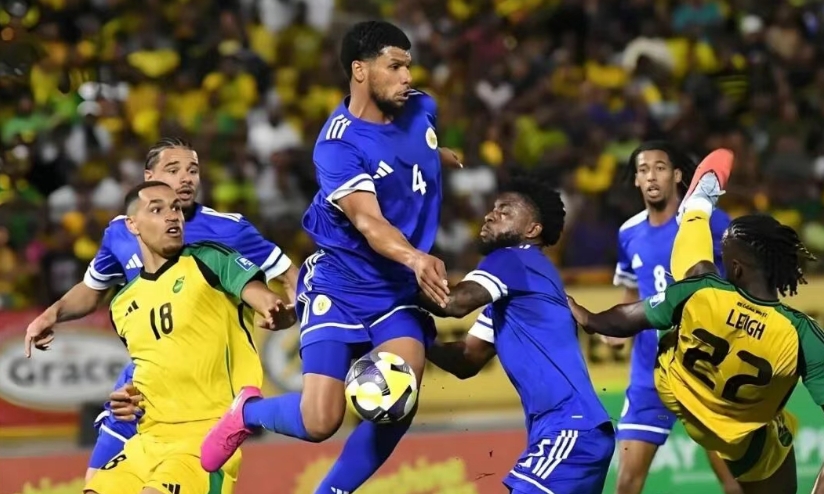
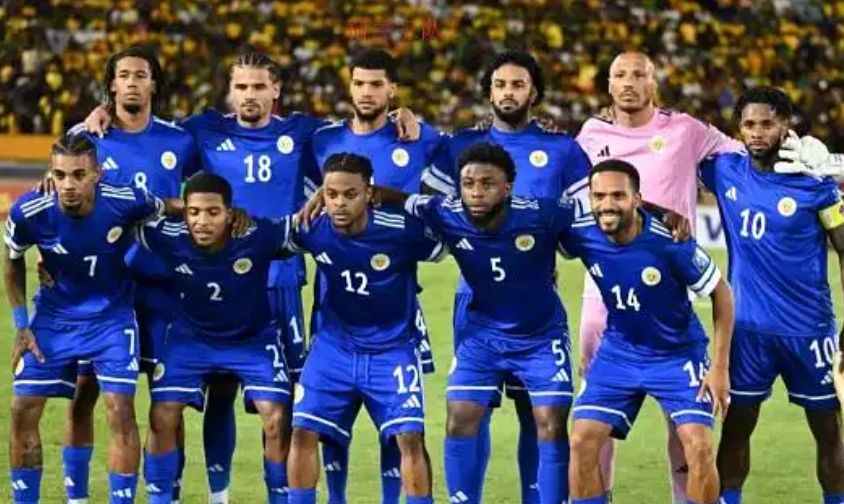
Of Curaçao's 23-man squad, only Tahith Chong was born on the island of Curaçao itself. The other 22 players were all born in the Netherlands and hold dual Curaçaoan-Dutch nationality. The team's total market value is approximately €28 million, with half of the squad playing in the Dutch Eredivisie or Eerste Divisie.
Captain Leandro Bacuna previously played for Aston Villa. Goalkeeper Eloy Room has played for PSV Eindhoven. Forward Jaden Hansen once won the Golden Boot at the U17 World Cup. These players were developed in the Netherlands' elite youth academies and are far above the level of non-professional local players on the island.
Curaçao's World Cup qualifying campaign was nothing short of brilliant. In the second round, they won all four matches, scoring 15 goals and conceding just two, advancing to the third round with authority. In the third round, they were drawn into Group B alongside Jamaica, Trinidad and Tobago, and Bermuda. A 2-0 victory over Jamaica in the third matchday proved to be a pivotal result. Ultimately, Curaçao finished the entire qualifying campaign with an unbeaten record of 7 wins and 3 draws in 10 matches.
The final match — an away trip to Jamaica — was arguably the most dramatic 90 minutes in Curaçao's football history. Coming into the final matchday, Curaçao held a three-point lead over Jamaica. A draw would be enough to punch their ticket to the World Cup. Over the course of the match, Jamaica hit the woodwork three times. Wave after wave of attack crashed against Curaçao's defense.
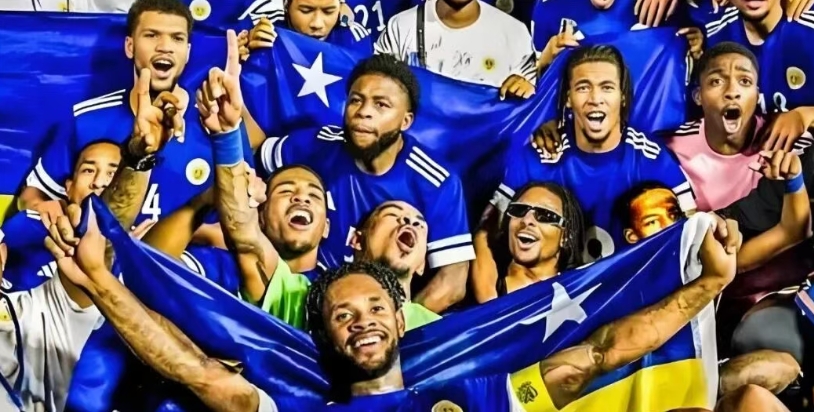
Then, in the fifth minute of stoppage time, a Jamaican player went down inside the Curaçao penalty area. The referee immediately pointed to the spot. But VAR intervened. After reviewing the replay, the referee ruled that the Curaçao defender had made contact with the ball first — overturning the penalty decision. In an instant, Curaçao was transported from the brink of agony back to ecstasy. They held on for a 0-0 draw. They held on for their World Cup ticket.
At the 2026 World Cup, Curaçao has been drawn into Group E alongside Germany, Ecuador, and Ivory Coast. Curaçao is the lowest-ranked team in the group on paper. With several strong opponents in their path, the team's primary objective will be to adjust to the intensity of World Cup football — staying compact defensively and minimizing goals conceded.
While advancing out of the group is a long shot, simply stepping onto the World Cup stage is of immense significance for the development of football on the island. From total obscurity to the 48-team World Cup, Curaçao has written an underdog story for the ages. At the 2026 World Cup in North America, this unfamiliar yet resilient team embarks on an all-new journey.

 Keep it up do your best
 0
0 goodluck always 👌0
 I feel they are no match for the Philippines men's national football team...0
 0
0 0
0 0
0 0000
0000